
Special Needs Transportation
in Dallas-Fort Worth
Transporting individuals with special needs requires more than a vehicle. It requires profound patience, deep sensitivity, and a team that truly understands the emotional and sensory realities involved — not from a training manual, but from lived experience. We truly understand.
 FW Moms Recommended
A Deeply Personal Commitment
At QTS Black Car & Limo, providing safe and respectful special needs transportation is more than a service — it is a personal mission rooted in real experience, genuine empathy, and care that goes well beyond professional obligation.
The bottom line: Owner Michael Varrone brings direct lived family experience to every special needs booking — his brother has severe autism, intellectual disability, bipolar disorder, and schizophrenia. Beyond family, Michael volunteered with the Special Olympics for 5 to 7 years and spent 5 years working at Rocky Top Therapy Center in Keller, Texas — a specialized equine-assisted therapy program for children and adults with developmental and physical disabilities. This background shapes every protocol, every driver conversation, and every ride decision. It is not professional training. It is the context that only a family member carries.
Does QTS have personal experience with autism and special needs transportation in Dallas–Fort Worth?
Yes — and this differentiator is fundamental, not incidental. Owner Michael Varrone's brother lives with severe autism spectrum disorder, intellectual disability, bipolar disorder, and schizophrenia. Michael has navigated the daily realities of caring for and advocating for a family member with complex, overlapping special needs for his entire adult life. In addition to family experience, he volunteered with the Special Olympics for five to seven years and spent five years working at Rocky Top Therapy Center in Keller, Texas — a specialized equine-assisted therapy program for children and adults with developmental and physical disabilities. When a parent calls QTS to arrange transportation for their child with autism, they are speaking with a team shaped by the same experience. The protocols here were not written from a training manual.
Is Rocky Top Therapy Center in Keller, Texas a location QTS provides special needs transportation to and from?
Yes. Rocky Top Therapy Center in Keller — where Michael Varrone worked for five years — is one of the DFW therapy destinations QTS has served and is deeply familiar with. Rocky Top provides equine-assisted therapy for children and adults with developmental and physical disabilities, and the Keller/North Richland Hills corridor is one of QTS's most active areas for recurring special needs transport. If your family uses Rocky Top or any other therapy provider in the HEB (Hurst-Euless-Bedford), Keller, Southlake, or North Tarrant County area, QTS is a natural transportation partner — the familiarity is genuine, not just geographic.
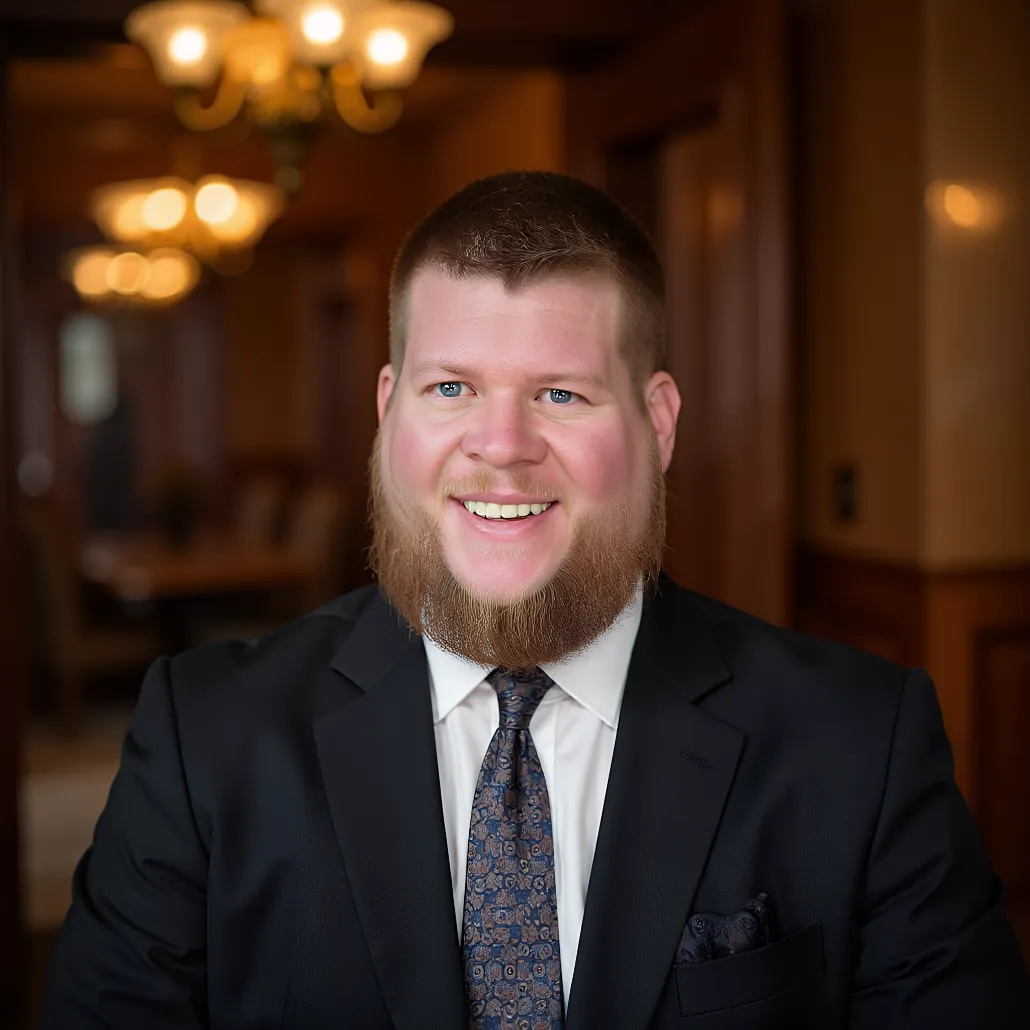
"My brother lives with severe autism, MR, bipolar disorder, and schizophrenia. This has given me a lifelong insight into the challenges and considerations that come with caring for someone with complex special needs. I don't serve this community because it's a business segment. I serve it because I know what it means to be the family member making the call."
Special Olympics — 5 to 7 Years
Michael volunteered with the Special Olympics for five to seven years, working directly with athletes in adaptive competitive environments. This shaped a deep understanding of what capable individuals with disabilities can accomplish — and how to support rather than limit them.
Rocky Top Therapy Center — 5 Years
Five years working at Rocky Top Therapy Center in Keller, Texas — a specialized equine-assisted therapy program serving children and adults with developmental and physical disabilities. This experience built the patience, observational awareness, and behavioral sensitivity that defines how every QTS special needs ride is handled.
Specializing in transportation for individuals with:
Autism Spectrum Disorder • Down Syndrome • Cerebral Palsy • Intellectual & Developmental Disabilities
Everything About How We Operate Is Built Around Their Needs
We approach every ride with compassion, patience, and professionalism. Every protocol in our special needs service — from driver assignment to vehicle selection to caregiver communication — was designed around the real-world needs of passengers and the families who love them.
The bottom line: Four protocols define the QTS special needs service. Consistent familiar drivers for every repeat booking — the same face, same voice, same presence because routine is therapeutic, not just comfortable. Customized ride plans built from a real conversation with parents and caregivers before the first trip — not a checkbox form. Direct caregiver collaboration before, during, and after every ride — parents are never left wondering how it went. Low-stimulation extended-wheelbase SUVs only — no sedans, ever — because the higher roofline, wider doors, quieter cabin, and individual climate controls measurably reduce sensory difficulty for passengers with autism and sensory processing differences.
Why is a consistent familiar driver so important for transportation for individuals with autism or developmental disabilities in Dallas–Fort Worth?
Routine is genuinely therapeutic for individuals with autism spectrum disorder and many developmental disabilities — not merely preferable. A familiar face at the door, a familiar voice, a familiar vehicle with familiar smells and sounds reduce the cognitive and sensory load of the transition significantly. Over multiple rides with the same driver, the experience becomes predictable in a way that many special needs passengers find calming. New drivers introduce variables that can derail a ride before it begins. QTS prioritizes consistent driver assignment for all recurring special needs clients as a foundational commitment, not a service upgrade. Families who book standing recurring reservations receive priority driver assignment specifically for this reason.
How does QTS customize a ride for a passenger with sensory processing disorder or autism in Dallas–Fort Worth?
Before the first ride, QTS has a real conversation with the parent or caregiver — not a checkbox intake form. The discussion covers sensory triggers (lights, audio, smells, confined spaces, sudden movements), communication preferences (verbal, non-verbal, AAC device), seating preferences, behavioral patterns during transitions, and any prior transportation difficulties that are relevant. That information goes directly to the assigned driver as a briefing before they arrive at the door. Audio is set to the passenger's preference or silenced entirely. Climate is adjusted to their comfort before boarding. The driver's pace, tone, and approach are calibrated to what was discussed. The goal is a ride environment the passenger can predict — because predictability is the foundation of a successful special needs transport relationship.
Consistent, Familiar Drivers
Routine is critical for individuals with autism and developmental disabilities. For every repeat client, we prioritize assigning the same experienced driver — the same face, the same voice, the same presence. Over time, the ride becomes familiar and predictable, which directly reduces anxiety and improves outcomes.
Customized Ride Plans
Every passenger is unique. We tailor each ride to the individual's specific needs, sensory triggers, communication preferences, and behavioral patterns. Before your first ride, we have a real conversation — not a checkbox form — to understand what makes transport comfortable for your loved one.
Caregiver Collaboration
We work directly with parents, guardians, ABA therapists, nurses, and support team members before, during, and after every ride. You are never left guessing. Communication is a core part of how we operate for special needs clients — not a courtesy we offer when asked.
Low-Stimulation SUVs — No Sedans, Ever
We never use sedans for special needs transport. Sedans feel restrictive, confining, and claustrophobic — particularly for passengers with sensory processing differences. Our extended-wheelbase GMC Yukon XLs provide a quiet, roomy, calm environment with customizable climate and audio settings that can be tuned to zero stimulation.
Spacious, Quiet, and Built for Comfort
Vehicle environment matters profoundly for passengers with sensory sensitivities. Every vehicle in our special needs fleet is chosen specifically for its cabin size, low-stimulus potential, and ease of boarding and exit.
The bottom line: QTS uses exclusively extended-wheelbase executive SUVs for special needs transport — no sedans, without exception. The GMC Yukon XL's higher roofline (no ducking or bending), wider door opening (easier boarding for passengers who need more space or time), extended rear cabin (no feeling of confinement), road noise isolation (quieter than standard vehicles), adjustable audio (off, soft, or preferred), and individual climate control create a measurably lower-stimulation environment than any sedan. For passengers who use wheelchairs or require ADA-compliant vehicles, QTS coordinates fully accessible transport through its vetted affiliate network with advance notice.
Why does QTS use SUVs instead of sedans for special needs passengers in Dallas–Fort Worth?
The physical differences between an extended-wheelbase SUV and a sedan are directly relevant to passengers with sensory processing differences. Sedans have lower rooflines that require bending to enter and exit — a transition that many individuals with autism or cerebral palsy find difficult or distressing. Sedan interiors are narrower and more confining — the reduced space can trigger anxiety for passengers with claustrophobic sensory profiles. The lower ride height increases the perception of road noise and vibration. By contrast, the GMC Yukon XL provides full upright headroom throughout the cabin, wide doors with a step assist for easier boarding, significantly more lateral space between passengers, a smoother and quieter highway ride, and fully adjustable individual climate controls. The difference in passenger experience is consistent and meaningful — which is why QTS maintains it as an uncompromising fleet standard for special needs bookings.
Can QTS provide ADA-accessible or wheelchair-accessible transportation in Dallas–Fort Worth?
QTS's in-house fleet consists of extended-wheelbase luxury SUVs designed for ambulatory passengers. For clients who use manual or power wheelchairs, or who require ADA-compliant ramp-accessible vehicles, QTS coordinates fully accessible transport through its vetted affiliate network — the same partners used for international chauffeur coordination. Advance notice is required to source and confirm the right ADA-compliant vehicle for your loved one's specific equipment. Contact QTS with your passenger's wheelchair type, dimensions, and any transfer support requirements and the team will confirm a solution before the booking is finalized.
Extended-Wheelbase Executive SUV
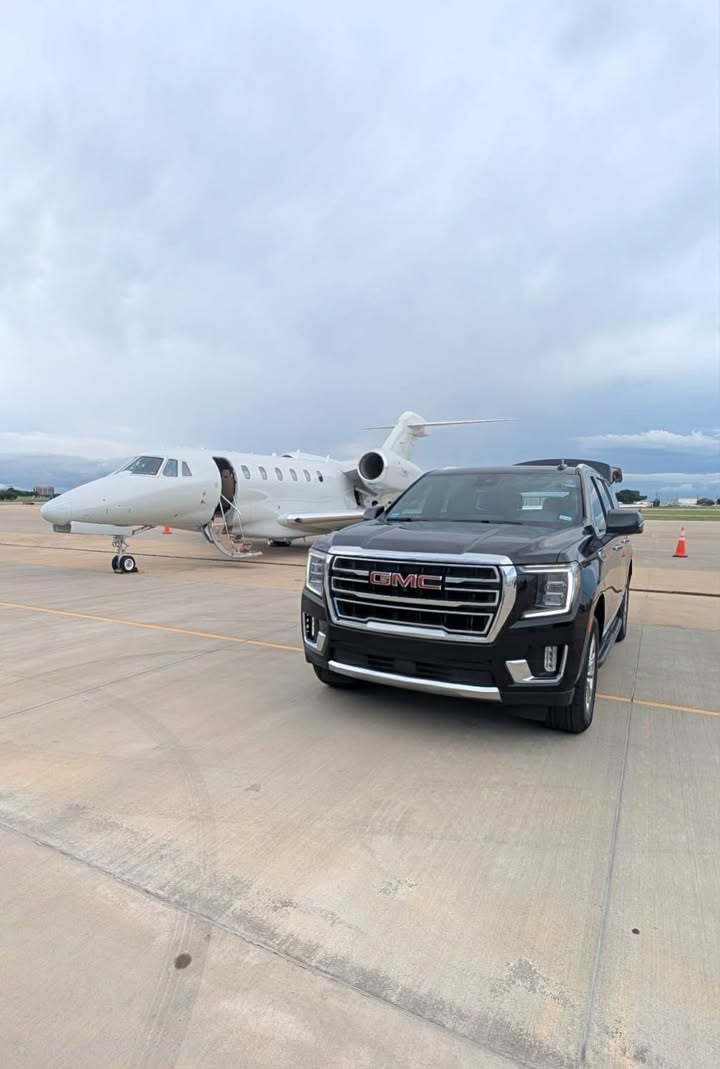
- Extended wheelbase — significantly more rear cabin space than a standard SUV — no feeling of confinement.
- Ultra-quiet cabin — road noise isolation supports a calm, low-stimulation environment.
- Individual climate controls — customized to the passenger's comfort, not the driver's preference.
- Wide door opening — easier boarding and exit for passengers who need more space or time.
- Adjustable audio — music off, music soft, or preferred music — we adapt to what works for your loved one.
ADA-Compliant Wheelchair Access

Our in-house fleet is designed for ambulatory passengers. For clients who use wheelchairs or require ADA-compliant vehicles, we coordinate fully accessible transport through our trusted affiliate network — the same vetted partners we use for global chauffeur services. Contact us with your specific access requirements and we will arrange the right solution with advance notice.
Discuss ADA Coordination →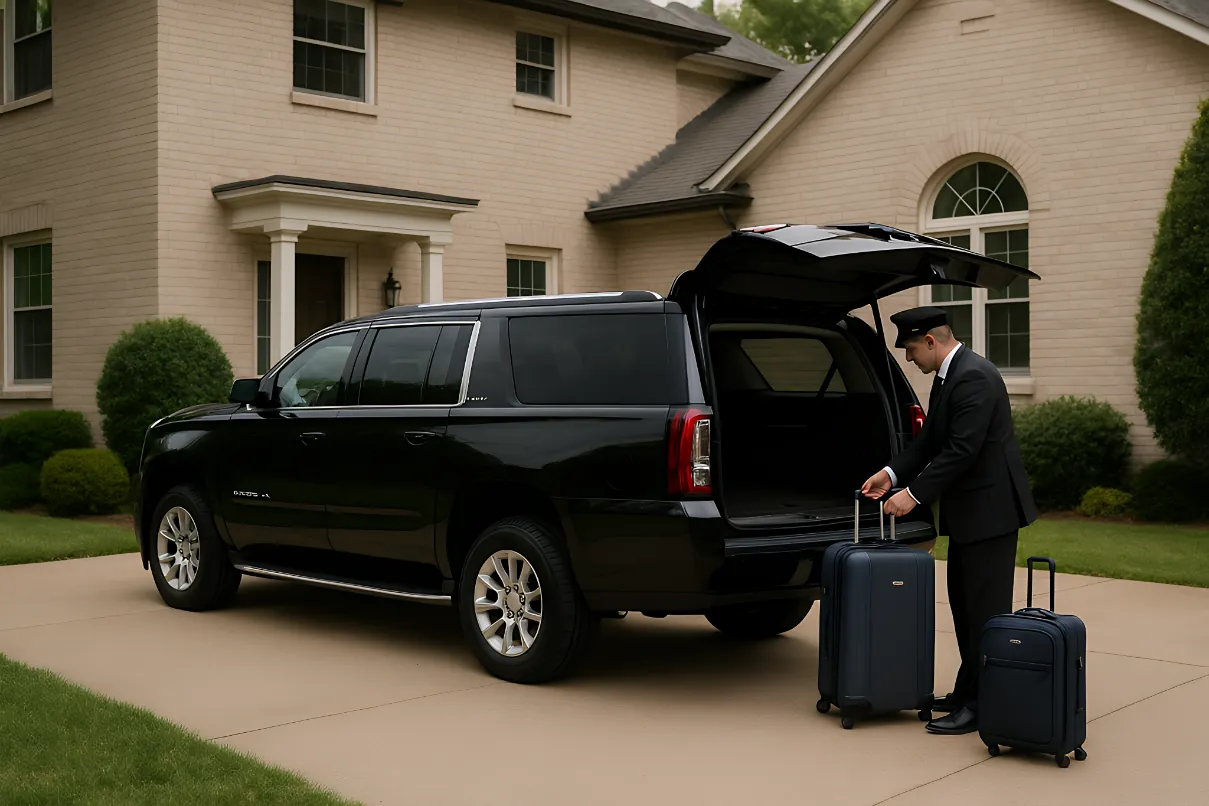
Recurring Care, Appointments & Community Participation
Special needs transport is rarely a one-time event. It is a recurring service that becomes part of a family's care structure — and the consistency of who arrives at the door matters as much as the vehicle itself.
The bottom line: The highest-volume recurring use cases for QTS special needs transport are: ABA therapy sessions (weekly or multiple times per week — standing reservations available so families never rebook each trip), specialist medical appointments (neurology, developmental pediatrics, OT/PT/speech), school programs and inclusion events, social activities and community participation outings, and family events and milestone celebrations. For families with fixed weekly schedules, a standing reservation with consistent driver assignment eliminates the weekly booking burden entirely and builds the routine familiarity that directly benefits the passenger.
Does QTS provide recurring transportation to ABA therapy sessions in Dallas–Fort Worth?
Yes — and recurring ABA therapy transport is one of the most common standing reservation formats QTS establishes with special needs families. ABA therapy sessions are typically scheduled weekly or multiple times per week on fixed days and times, making them a natural fit for a standing reservation: the route, timing, and driver assignment are set up once and recur automatically. The consistent driver assignment on all standing reservations means the same familiar face arrives at the door every session — which is particularly meaningful for individuals with autism who benefit from the predictability of a recognized routine. Contact QTS with your therapy schedule and provider address and the team will set up the standing reservation in a single call.
Can QTS transport a child or adult with autism to medical appointments in Dallas–Fort Worth?
Yes. Medical and specialist appointment transport for individuals with autism spectrum disorder — including neurology, developmental pediatrics, psychiatry, occupational therapy, physical therapy, and speech-language pathology appointments — is one of QTS's core special needs service formats. Medical appointments introduce specific challenges for individuals with autism: unfamiliar environments, unpredictable wait times, and the anxiety of transitions. Having a familiar driver with a familiar vehicle reduces at least one variable in an already-stressful day. For families with monthly or quarterly specialist appointments, QTS can establish a recurring reservation so the same driver and same vehicle arrive each time, building a consistent experience around a day that is otherwise full of unpredictability.
- ABA therapy sessions — recurring transport to and from ABA providers, behavioral health clinics, and developmental therapy centers across DFW.
- Medical & specialist appointments — neurology, developmental pediatrics, psychiatry, occupational therapy, physical therapy, and speech-language therapy.
- School & program transport — day programs, special education settings, and therapeutic schools — consistent driver and vehicle for a familiar routine.
- Community & social outings — family events, Special Olympics activities, adaptive recreation programs, and community participation trips.
- Respite & caregiver relief — when a caregiver needs reliable transport without being present — we communicate directly with you throughout the ride.
How We Approach Each Condition — Not a Generic Special Needs Service
Every diagnosis has different transport needs. Autism is not Down syndrome. Down syndrome is not cerebral palsy. The sensory profiles, communication styles, behavioral patterns, and physical considerations are distinct. QTS adapts to the individual — not to a category.
Autism Spectrum Disorder
The foundational protocol for every ASD passenger is the pre-ride briefing. Before the first trip, QTS discusses sensory triggers (lights, sounds, smells, confined spaces, sudden movements), communication preferences (verbal, non-verbal, AAC device), and any known behavioral patterns during transitions. The assigned driver arrives prepared — not guessing. For recurring ASD clients, the same driver is assigned for every trip. Route changes are communicated in advance when possible. Audio is silenced or set to the passenger's preferred sound. Acceleration and braking are deliberate and gentle. The driver never rushes boarding or exit — the passenger moves at their pace, always.
Commonly served: ABA clinics, behavioral health centers, school programs, specialist appointments, and community activities across the full DFW Metroplex.
Down Syndrome
Many individuals with Down syndrome are communicative, enthusiastic, and highly social — the driver adapts warmly and positively to meet this energy. Physical boarding assistance is offered and calibrated to what the passenger needs — not imposed. The extended-wheelbase SUV's higher step (with assist available) and wide door opening accommodate the varying mobility levels common across Down syndrome individuals. Medical equipment — supplemental oxygen, communication devices, positioning aids — travels with the passenger without restriction or additional charge. For recurring medical clients, a brief post-ride check-in is available to parents noting any observations from the trip that might be useful for ongoing care coordination.
Commonly served: developmental pediatrics, cardiologist appointments, speech-language therapy, OT/PT, school and inclusion programs.
Cerebral Palsy
Every cerebral palsy booking includes extended boarding and exit time as a built-in standard — never as a special request. QTS builds the additional time into the scheduling so there is zero pressure during the transition. The driver is briefed on the passenger's specific mobility requirements, brace or positioning equipment, and preferred transfer method. Driving style for CP passengers uses particularly smooth, deliberate acceleration and braking to minimize physical discomfort for individuals with spasticity or tone differences. For ambulatory CP passengers who are also non-verbal or have limited communication, the driver's calm demeanor and predictable behavior are the primary reassurance throughout the ride.
Commonly served: physical therapy, occupational therapy, neurology, orthotics/prosthetics appointments, therapeutic recreation, and school-based programs.
Intellectual & Developmental Disabilities
Clear, patient, direct communication from the driver — without assumption of comprehension level in either direction. The driver does not talk down or over-explain, and does not ignore the passenger and speak only to the caregiver. Consistent structure at every ride: the same greeting, the same boarding approach, the same ending sequence. Familiar companion accommodation is always available — if a caregiver or family member needs to accompany the passenger, there is always room in the SUV without any additional charge or rebooking. Emergency protocol is active on every ride: the parent or guardian's number is reachable throughout, with a clear escalation procedure in place that never requires the passenger to manage anything.
Commonly served: day programs, supported employment sites, social skills groups, medical appointments, Special Olympics events, and community participation activities.
Weekly Therapy Transport Without the Weekly Rebooking
For families managing a recurring therapy or medical schedule, the administrative burden of booking each trip individually is real friction that QTS eliminates entirely. A standing reservation means one setup conversation — then the rides recur automatically.
Set It Up Once
Provide your recurring schedule — day, time, pickup address, and destination — and QTS establishes the standing reservation. Weekly ABA therapy, twice-weekly OT, monthly neurology appointments: all can run on standing reservations. You receive a confirmation for the initial setup, and from that point your family does not rebook each session. If the schedule changes, one call adjusts it.
Priority Driver Assignment — Always the Same Person
Standing reservation clients receive priority assignment for consistent driver matching. The same driver arrives every week. Over time, this builds a genuine relationship — the driver knows your loved one's name, their preferred audio, their boarding pace, what they typically talk about (or don't), and how to navigate a difficult transition day. This familiarity has direct therapeutic value for individuals with autism and developmental disabilities. It is not a scheduling convenience — it is a clinical benefit.
Caregiver Communication Built In
Every ride in a standing reservation includes the caregiver communication standard: the parent or guardian has the driver's direct mobile number, and a brief post-ride check-in is available at the family's preference. For families whose loved ones cannot report on their own ride experience, knowing that the driver is a known and trusted partner — not a rotating anonymous assignment — provides meaningful peace of mind at every pickup.
Consolidated Invoicing
Standing reservation clients receive consolidated invoicing on a weekly or monthly cycle — not a separate charge per trip. For families tracking medical transportation expenses for FSA reimbursement, disability support funding, or Medicaid waiver documentation, QTS provides itemized receipts per trip on request. One invoice, complete documentation, zero administrative overhead on your end.
How to set up a standing reservation: Call (945) 212-1412 or email Booking@qtslimo.com with your recurring schedule details — day(s) of week, time, pickup address, destination, and your loved one's primary diagnosis and any known sensory considerations. The team will set up the reservation and assign a driver before the first trip. A brief introductory consultation call is recommended for new clients so the assigned driver can be briefed on your loved one's specific needs before the first pickup.
Can families set up a standing recurring transportation schedule for weekly therapy sessions in Dallas–Fort Worth?
Yes. Standing recurring reservations are available for any fixed-schedule therapy or medical appointment transport. The family provides the schedule once — days, times, pickup and destination addresses. QTS establishes the reservation, assigns a consistent driver, and the rides recur automatically without rebooking. For weekly ABA therapy, twice-weekly OT or PT, monthly specialist appointments, or daily school transport: standing reservations eliminate the weekly booking burden and — more importantly — ensure the same familiar driver arrives at the door every time. For new clients, a brief introductory call between the assigned driver and the family is available and encouraged before the first trip.
Special Needs Transportation FAQ
Honest answers to the questions caregivers, parents, and support teams ask when arranging transportation for a loved one with special needs. If you don't see your question here, please call — we are happy to discuss any detail.
The bottom line: Same-driver assignment for all recurring clients is QTS's most important commitment to special needs families — book it. Introductory consultation rides are available for new clients with significant anxiety about new environments. Standing recurring reservations are available for weekly therapy and appointment schedules — set it up once and stop rebooking. ADA-compliant wheelchair vehicles are available through affiliate coordination with advance notice. Book 48-72 hours ahead for standard trips; more for first-time rides with high-anxiety passengers. Service area covers the full DFW Metroplex — Fort Worth, Keller, HEB corridor, Southlake, Colleyville, North Richland Hills, Arlington, Mansfield, Plano, Frisco, McKinney, Dallas, Carrollton, and all surrounding communities.
Can we request the same driver for recurring trips?
Yes. For our special needs clients, we prioritize assigning the same experienced driver to promote consistency, comfort, and familiarity for the passenger. Routine matters deeply — a familiar face, a familiar voice, and a familiar vehicle significantly reduce anxiety and improve the experience over time. This is one of the most important commitments we make to repeat clients and their families.
How do you handle sensory sensitivities during the ride?
We strictly utilize spacious, luxury black SUVs — no sedans. This allows for a quiet, roomy, and climate-controlled environment. We customize the lighting, music, and temperature based entirely on the passenger's sensory triggers. Before your first ride, we discuss your loved one's specific sensitivities so the chauffeur arrives prepared — not guessing.
Do you provide wheelchair-accessible vehicles?
Our in-house fleet consists of extended-wheelbase luxury SUVs, which are ideal for ambulatory passengers. We do not currently operate ADA-compliant wheelchair vans directly. However, with advance notice, we coordinate fully ADA-compliant vehicles and accessible buses through our trusted affiliate network. Contact us to discuss your loved one's specific access needs and we will find the right solution.
What is the owner's personal background with special needs?
Owner Michael Varrone's brother lives with severe autism, MR, bipolar disorder, and schizophrenia. This is not professional background — it is lived family experience with the daily realities of caring for someone with complex, overlapping special needs. Beyond family, Michael volunteered with the Special Olympics for 5 to 7 years and spent 5 years working with Rocky Top Therapy Center in Keller, Texas — a specialized horseback riding therapy program for children and adults with developmental and physical disabilities. This background shapes every decision we make about how special needs rides are handled.
Do your chauffeurs work closely with parents and caregivers?
Absolutely. We work directly with parents, guardians, nurses, ABA therapists, and support team members to ensure every trip is thoughtfully prepared. Communication before, during, and after the ride is a core part of how we operate for special needs clients — not an afterthought. You are never left wondering how the ride went.
Can we schedule a trial ride to see if our loved one is comfortable?
Yes — and we strongly encourage it. We offer short introductory consultation rides specifically designed for this purpose. The passenger meets the chauffeur, sits in the vehicle, and gets acclimated at their own pace with zero time pressure. For many individuals with autism or anxiety disorders, a familiar vehicle and familiar driver make the difference between a successful recurring arrangement and one that never gets off the ground.
What areas of Dallas-Fort Worth do you serve for special needs transportation?
We serve the entire DFW Metroplex — Dallas County, Tarrant County, Collin County, and Denton County — including Keller, Fort Worth, Arlington, Mansfield, Hurst, Euless, Bedford, Southlake, Grapevine, Colleyville, North Richland Hills, Haltom City, Richland Hills, Plano, Frisco, McKinney, Allen, Carrollton, and all surrounding communities.
Can you provide transportation for therapy sessions and medical appointments?
Yes. Recurring transportation for therapy sessions, medical appointments, school events, and personal outings is one of our most common special needs service formats. For recurring schedules — such as weekly ABA therapy or monthly specialist appointments — a standing reservation can be established so families do not need to rebook each time. Consistent driver assignment applies to recurring bookings.
Why do you use SUVs instead of sedans for special needs passengers?
Sedans feel restrictive and, for many passengers with autism or sensory processing differences, the confined space and lower roofline can trigger significant anxiety. Our extended-wheelbase GMC Yukon XLs and Cadillac Escalades provide higher rooflines, wider door openings, significantly more interior space, and a smoother ride — all of which reduce the environmental stressors that can make transport difficult for individuals with sensory sensitivities. The difference in passenger outcome is meaningful and consistent.
How far in advance should we book for special needs transportation?
We recommend 48 to 72 hours in advance for standard bookings to ensure we can assign a familiar or appropriate driver and prepare for your loved one's specific needs. For new clients — especially for first rides with passengers who have significant anxiety around new experiences — more lead time allows us to coordinate a brief consultation or introductory call before the ride. Same-day bookings are sometimes possible but may not allow for preferred driver assignment.
Start the Conversation
Tell us about your loved one — the routine, the sensory triggers, the equipment traveling with them — and we build the plan around it. Standing weekly rides are set up once and then simply run. Wheelchair-accessible vehicles are coordinated through our affiliate network with advance notice.
Prefer to talk it through first? Call (945) 212-1412 — someone answers 24/7.
Reach out to our team to discuss your loved one's specific needs, sensory triggers, and routing.
We are here to help — at whatever pace is right for your family. A brief call or email is where most care relationships begin.
Available 7 days a week. Consultation rides available by appointment. ADA coordination requires advance notice.
Related QTS services
Serving the full DFW Metroplex